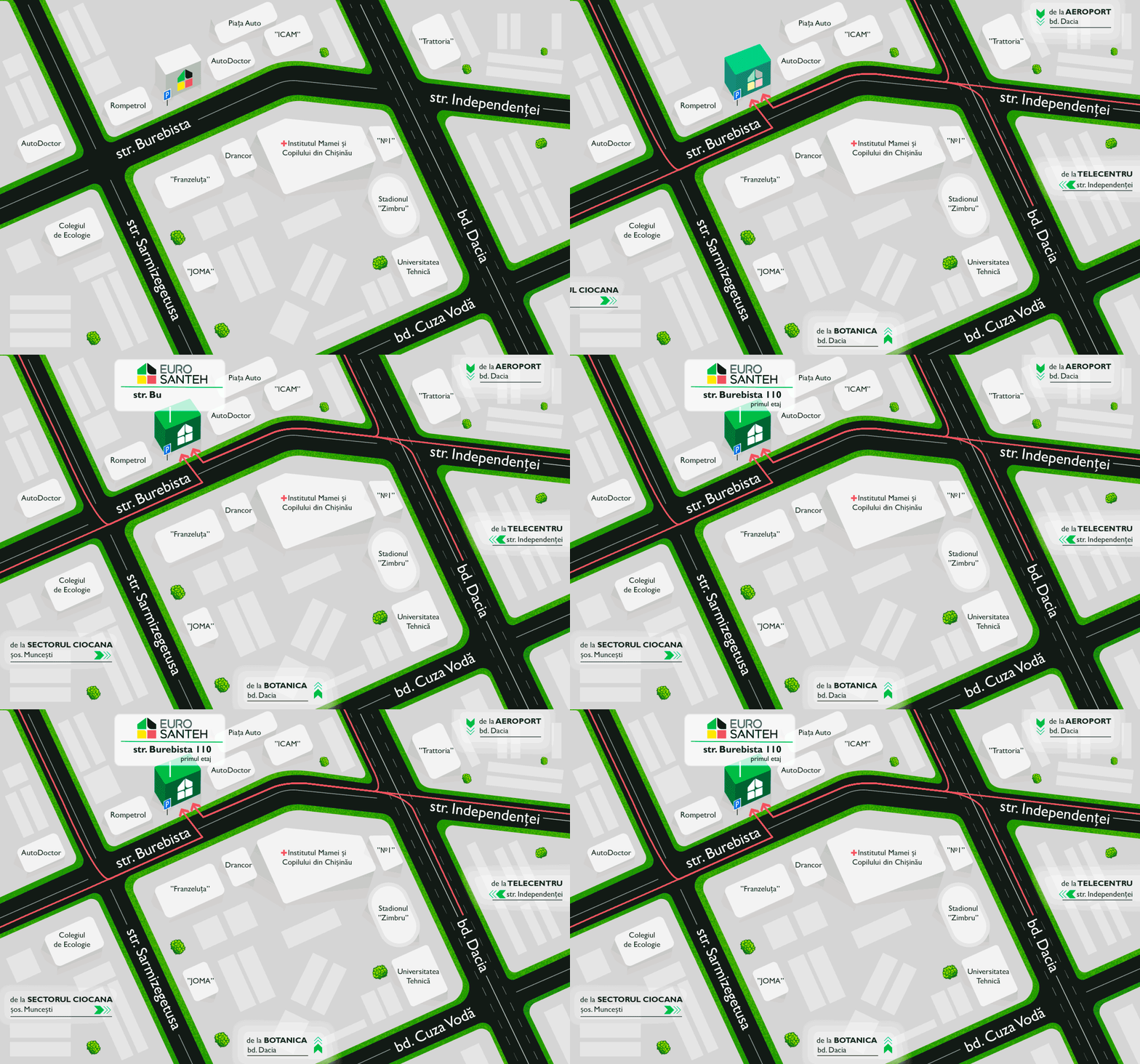
Chisinau, str. Burebista 110




 Call
Call 

 Product has been added to favorites

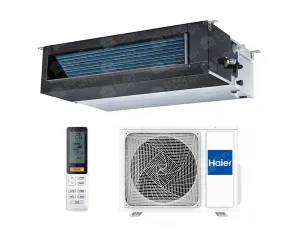
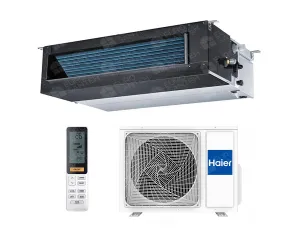
Semi-industrial duct air conditioners
 Commercial air conditioners, semi-industrial
  It is possible to order with installation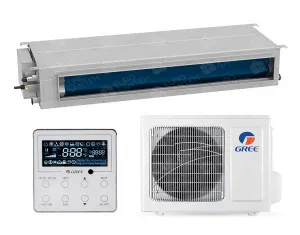
 It is possible to order with installation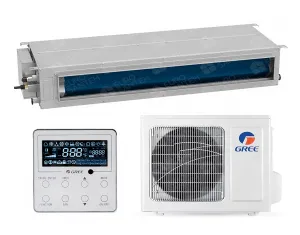



 It is possible to order with installation
  It is possible to order with installation
  It is possible to order with installation
  It is possible to order with installation
  It is possible to order with installation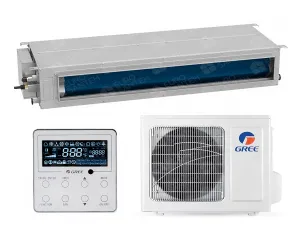
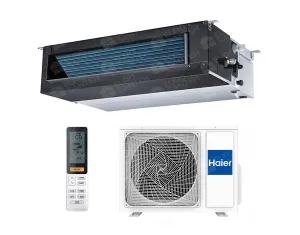
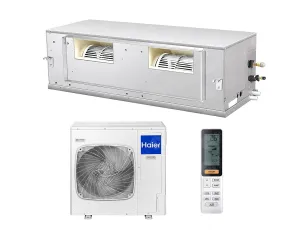
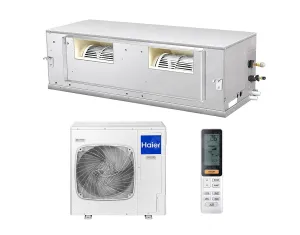


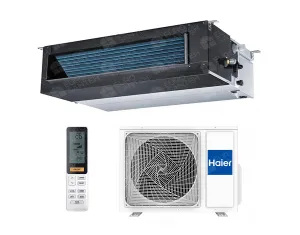
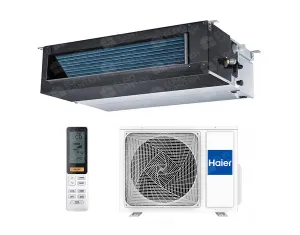
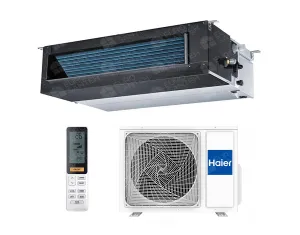
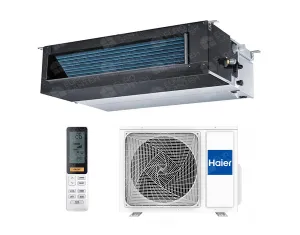
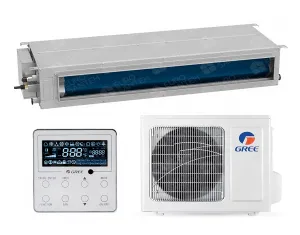
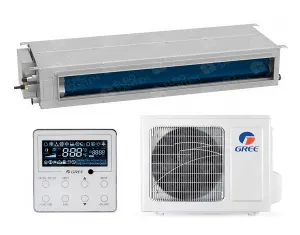
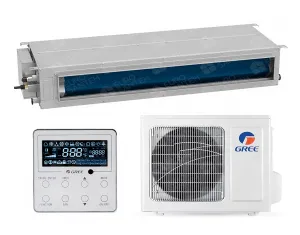
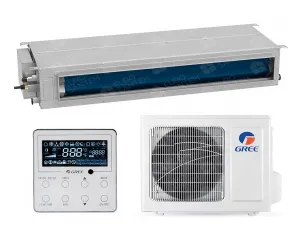
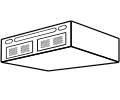
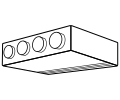
Ducted air conditioning systems are typically used in projects where multiple rooms need to be cooled while maintaining a clean interior without visible units. They are commonly applied in offices, commercial spaces, restaurants or buildings divided into several zones, where centralized climate control is required.
The system is installed within the ceiling space and distributes air through a network of ducts, allowing consistent temperature across different areas without the need for separate indoor units in each room. This approach works well for compartmentalized layouts, open-plan spaces or more complex floor plans.
Ducted solutions are especially preferred in projects where maintaining a clean interior design and minimizing visible equipment is a priority.
The range includes systems designed for different space sizes and usage levels — from small offices to commercial environments with continuous operation. You can order a system with free delivery across Chișinău and Moldova, along with professional installation and 0% financing options.
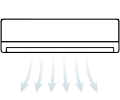
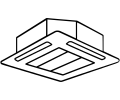
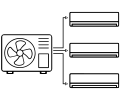
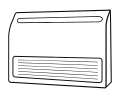
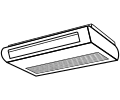
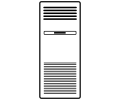
In spaces with suspended ceilings where even air distribution is needed without complex ductwork, cassette air conditioners are often used. For open areas that require a strong, directed airflow, column air conditioners are commonly considered, and in cases where a more flexible solution is needed with wall or ceiling-level installation, floor-ceiling systems can be a suitable option.















 Viber
Viber
 Whatsapp
 Telegram