Chisinau, str. Burebista 110



 Phone call

 Product has been added to favorites

Solid Fuel Boilers
 Boilers



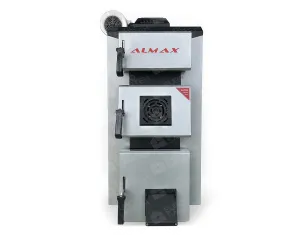
 It is possible to order with installation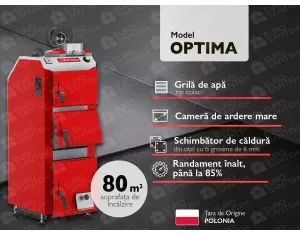
 It is possible to order with installation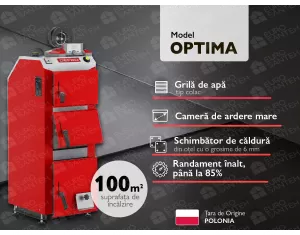
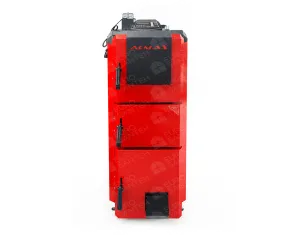
 It is possible to order with installation
 It is possible to order with installation
 It is possible to order with installation
  It is possible to order with installation
  It is possible to order with installation
  It is possible to order with installation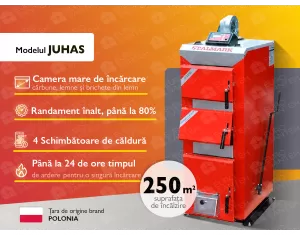


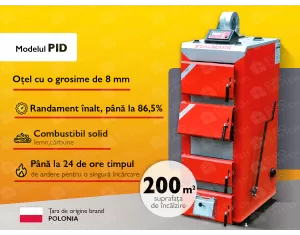
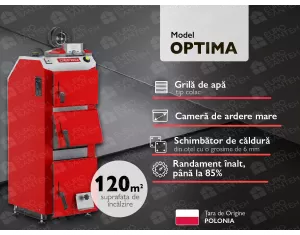
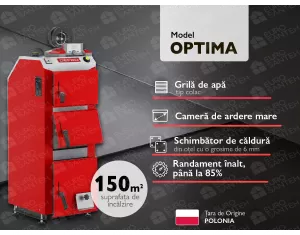
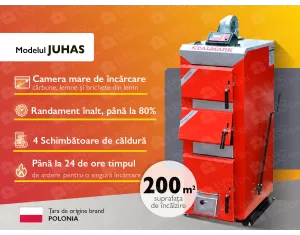
Solid fuel boilers are selected for houses with long winter cycles, for workshops and storage sites that need autonomous heating, and for commercial properties where gas dependency should be minimized. In Chisinau and across Moldova, effective selection starts from real heat loss, available fuel format, and actual boiler room constraints.
Before installation, teams validate chimney setup, ventilation, hydraulic layout, safety clearances, and service access. Wrong sizing or wrong setup often results in unstable heating and higher fuel consumption during peak season.
The practical workflow is load calculation, installation validation, fitting, startup checks, and maintenance planning.
When this category is the right fit
This page is used for projects where heating autonomy is a priority and fuel logistics can be maintained throughout the cold season.
What drives model selection
Key factors are heat loss, fuel type, chimney parameters, buffer volume, and loading cycle profile. For intensive operation, service routine is planned from the beginning.
Installation, startup, and stable operation
Before works begin, connection scheme and safety nodes are fixed, then startup is tested in real operating modes. Service terms are aligned at project confirmation stage.
What else matters in selection
For parent-level comparison across boiler formats, teams usually start from boilers. Where stable gas supply exists, they compare gas boilers for automated daily control. If electrical infrastructure is suitable, they also assess electric boilers as compact alternatives. For turnkey rollout, execution is coordinated through boiler installation with startup verification.
Frequently asked questions
What sites are solid fuel boilers suitable for?
For houses and commercial sites where heating autonomy is required through the season.
What is checked before installation?
Heat loss, chimney and ventilation setup, hydraulics, safety clearances, and service access.
Can installation and startup be delivered in one project?
Yes, selection, fitting, and commissioning can be coordinated in one workflow.
How can fuel overuse risk be reduced?
By accurate load-based sizing and operating-profile setup based on real usage.
Is service available after startup?
Yes, service terms are fixed when project conditions are confirmed.