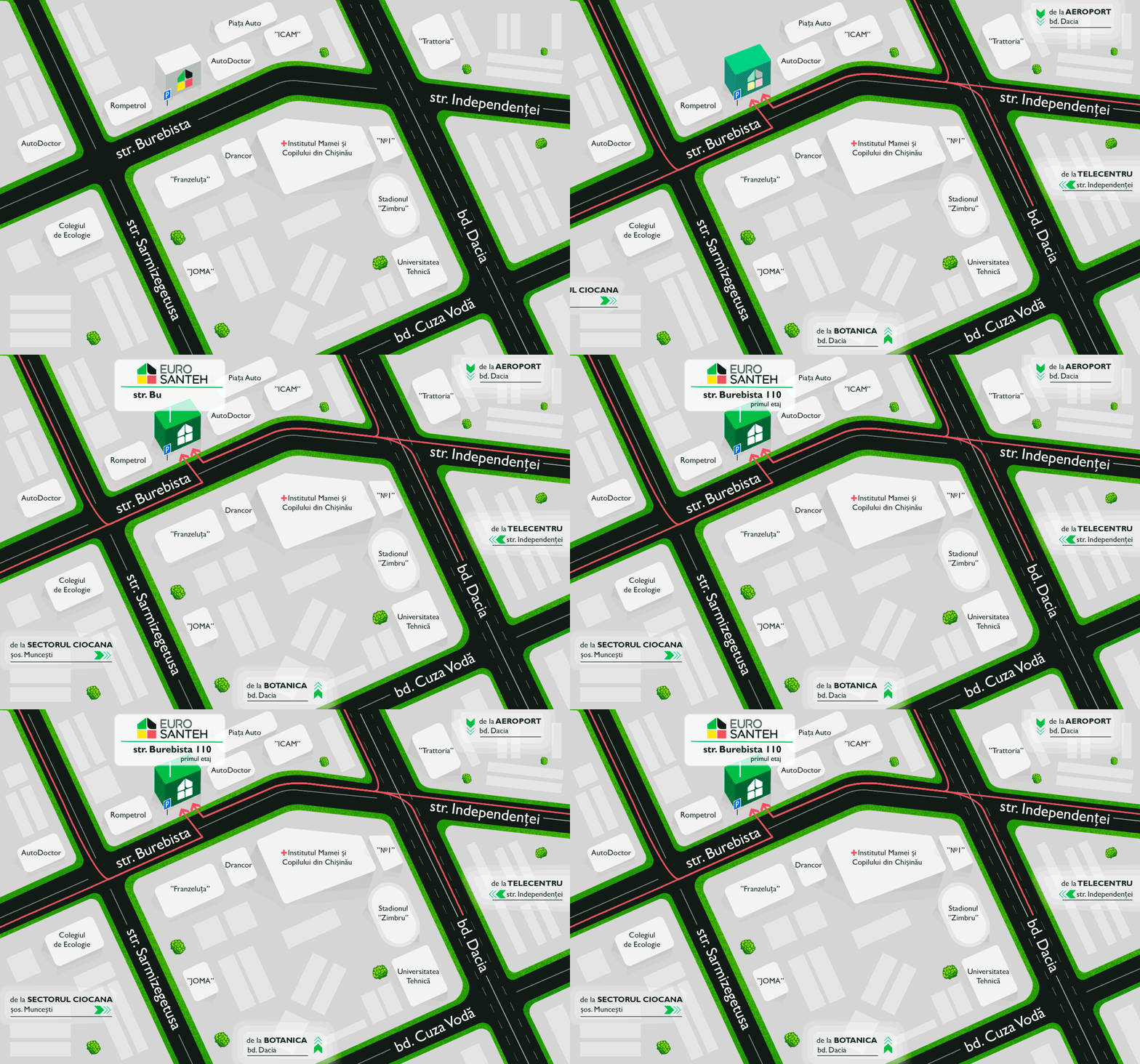
Chisinau, str. Burebista 110




 Call
Call 

 Product has been added to favorites

Slim Duct Air Conditioners
 Household air conditioners
 It is possible to order with installation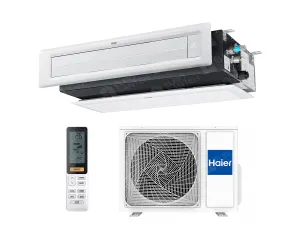

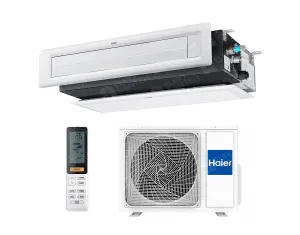


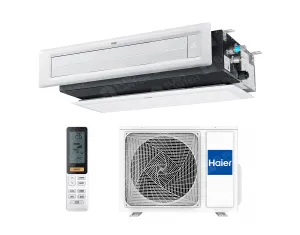
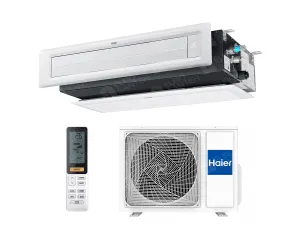
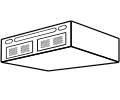
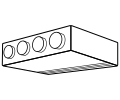
Ducted air conditioning systems are typically used in projects where a clean, uncluttered interior is a priority and visible units are not desired. They are a common choice for modern homes, offices and commercial spaces where both aesthetics and comfort matter. The system is installed out of sight and distributes air through ductwork, allowing multiple rooms to be cooled from a single unit while maintaining a consistent temperature throughout the space. This makes ducted systems especially suitable for open layouts or properties with several rooms that need centralized climate control.
The range includes models with different capacities and configurations, so the system can be selected based on layout, size and usage requirements. You can order a ducted system with free delivery across Moldova, professional installation and 0% financing options available.
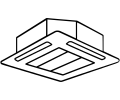
If a fully hidden solution is not necessary and you prefer a simpler setup, most users choose wall-mounted air conditioners. For spaces with suspended ceilings where visible ceiling units are acceptable, cassette systems are often considered.


 Product catalog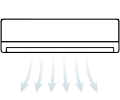

















 Viber
Viber
 Whatsapp
 Telegram