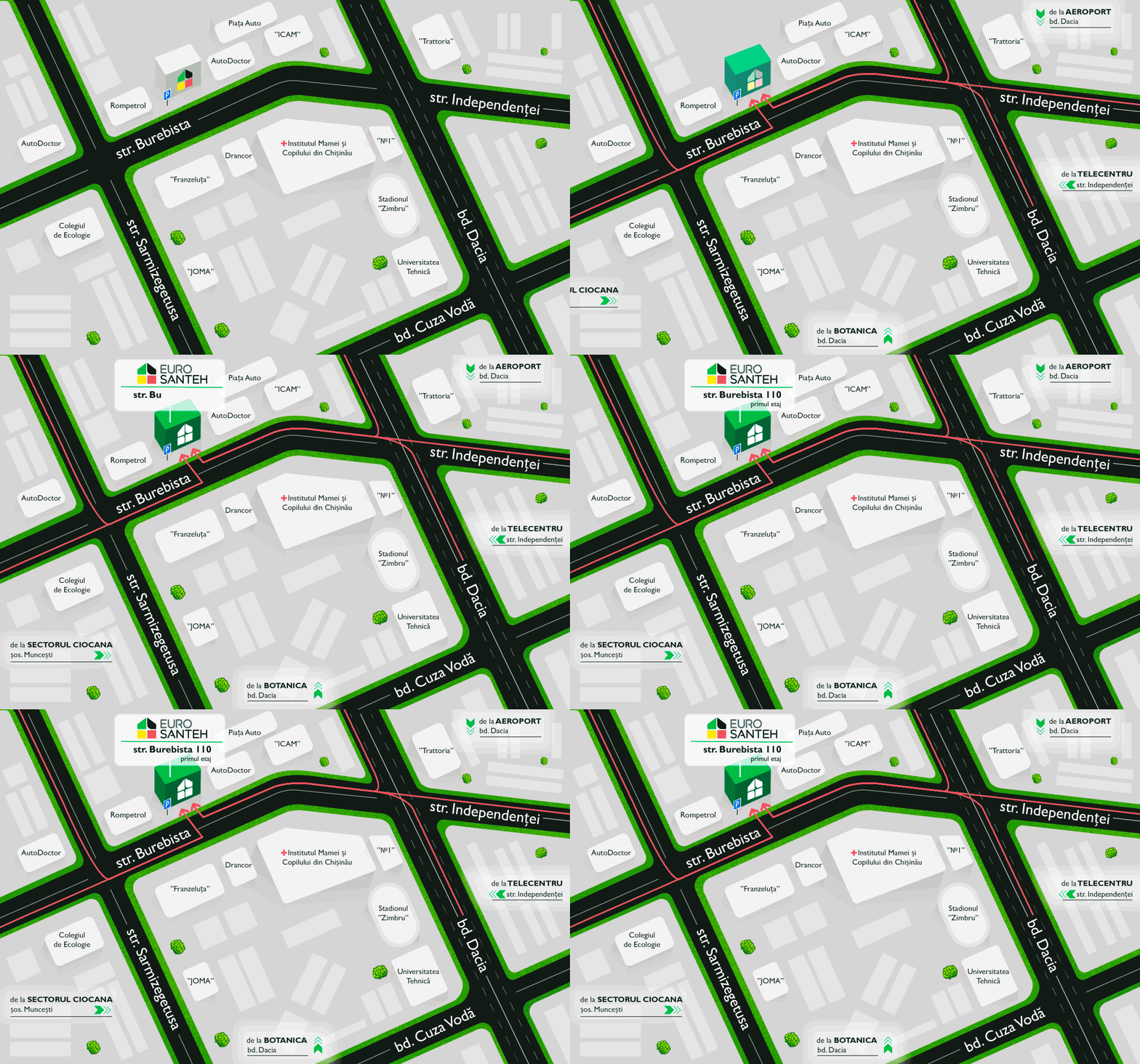
Chisinau, str. Burebista 110




 Call
Call 

 Product has been added to favorites

Heat pumps
 Household air conditioners


 It is possible to order with installation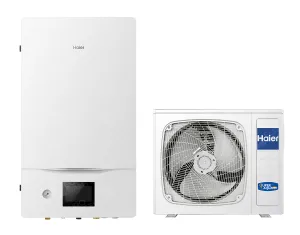
 It is possible to order with installation
  It is possible to order with installation
  It is possible to order with installation
  It is possible to order with installation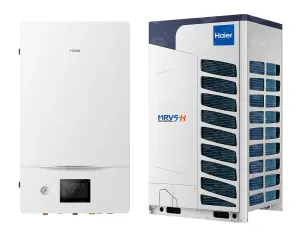
 It is possible to order with installation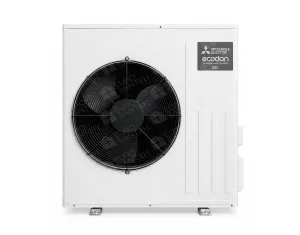
 It is possible to order with installation
  It is possible to order with installation
  It is possible to order with installation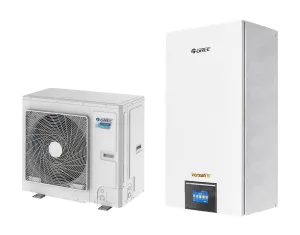



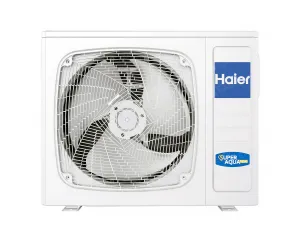
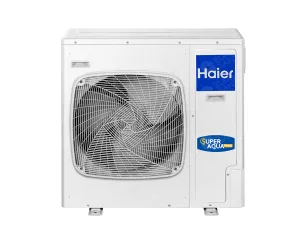
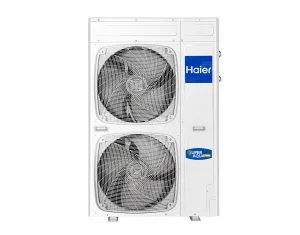
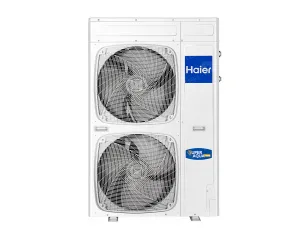
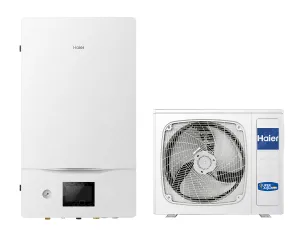
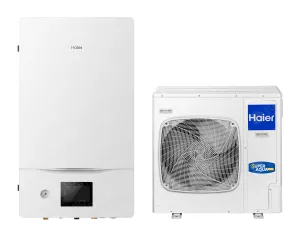
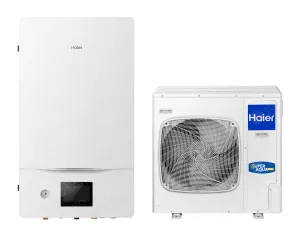
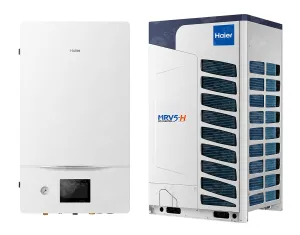
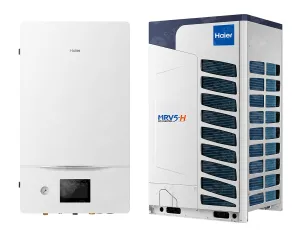
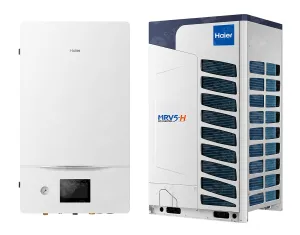
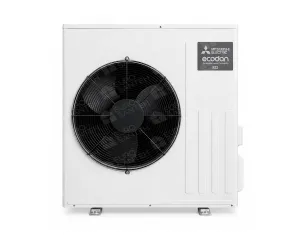
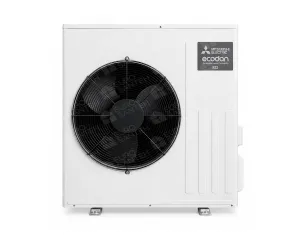
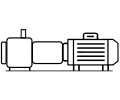
Heat pumps are typically chosen when you need a single system that can handle heating, cooling and hot water while keeping energy consumption under control. They are a practical solution for maintaining a stable indoor climate throughout the year without relying on multiple separate systems. These systems are widely used in residential homes, commercial buildings and modern energy-efficient projects where long-term performance and efficiency are important. One of the key advantages is flexibility: the same system can adapt to seasonal needs, providing heating in winter and cooling in summer, while also supporting hot water supply.
The range includes models with different capacities and configurations, allowing you to choose a solution based on the size of the building, layout and usage requirements. You can order a heat pump with free delivery across Moldova, professional installation and 0% financing options available.
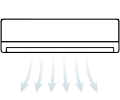
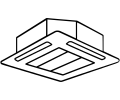
If you only need cooling for one or a few rooms, most users choose wall-mounted air conditioners as a simpler option. If you're planning a more integrated system with air distribution across multiple zones, it's worth considering ducted systems.















 Viber
Viber
 Whatsapp
 Telegram