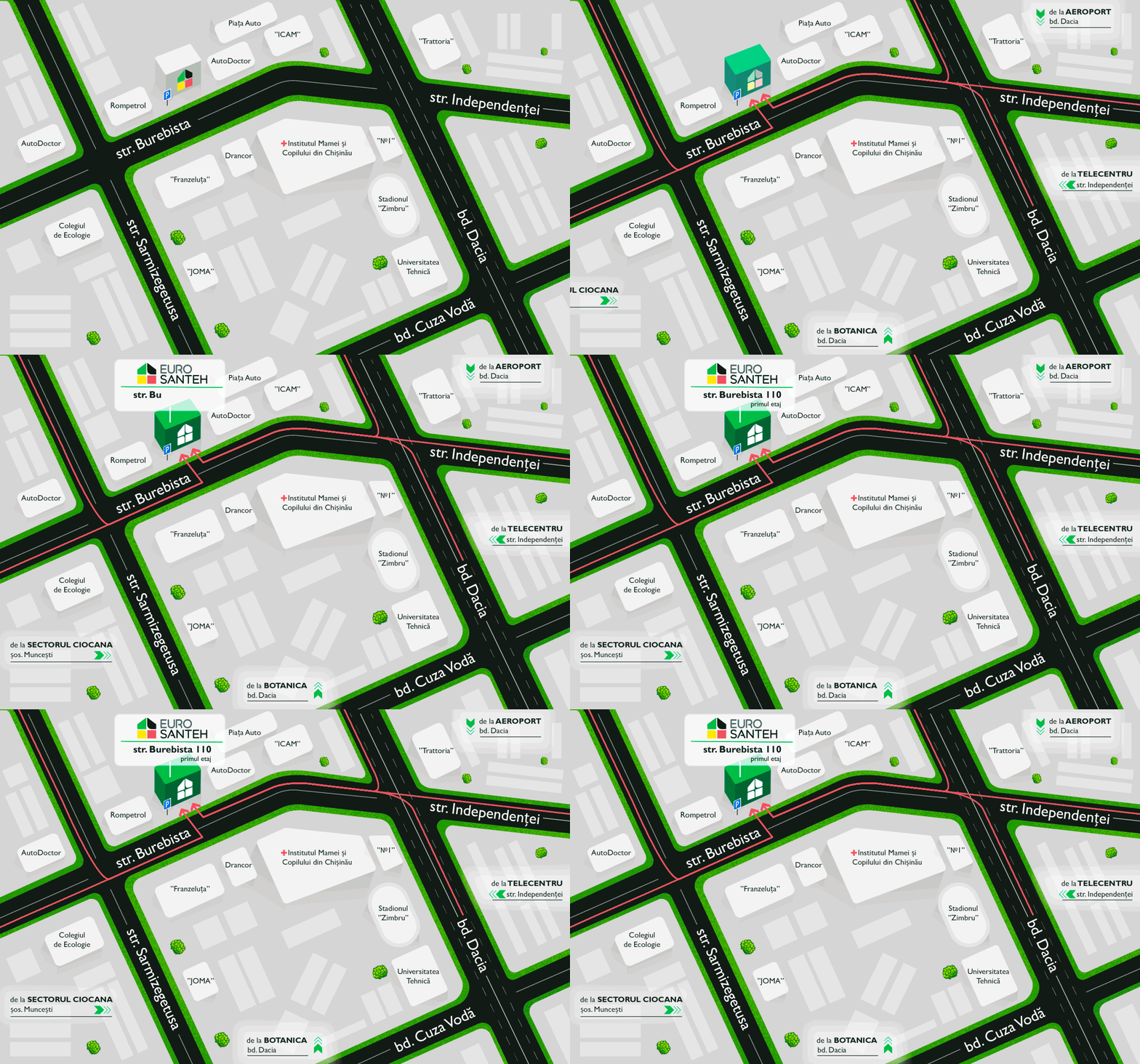
 Chisinau, str. Burebista 110




 Call
Call 

 Product has been added to favorites

Column air conditioners
 Commercial air conditioners, semi-industrial
  It is possible to order with installation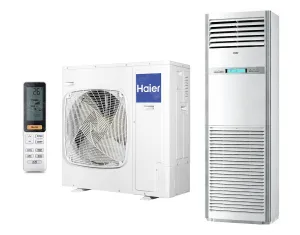
 It is possible to order with installation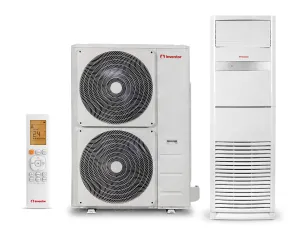


 It is possible to order with installation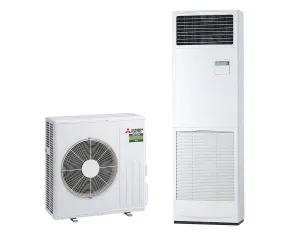
 It is possible to order with installation
  It is possible to order with installation
  It is possible to order with installation
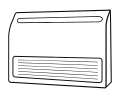
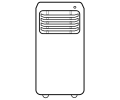
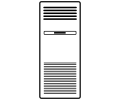
Column air conditioners are typically used in large open spaces where fast and powerful cooling is required — such as halls, showrooms, restaurants, car dealerships or other high-area environments. These systems deliver a strong airflow and can quickly reduce temperature even under heavy usage and constant foot traffic. At the same time, they do not require complex installation, making them a practical option for spaces where quick deployment is important. They are especially effective in open areas or rooms with high ceilings, where a large volume of air needs to be cooled without a distributed duct system.
The range includes models with different capacities and performance levels, allowing you to select the right solution based on the size, layout and usage of the space. Free delivery across Chișinău and Moldova is available, along with installation and 0% financing options.
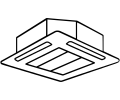
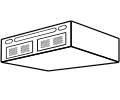
In spaces where more even air distribution across the entire area is required, cassette air conditioners are often preferred, especially when there is a suspended ceiling. For projects that require a fully concealed solution with air distribution across multiple zones, ducted air conditioning systems are commonly considered, and in layouts divided into separate rooms, a more practical choice is usually wall-mounted air conditioners.


 Product catalog


















 Viber
Viber
 Whatsapp
 Telegram
