Chisinau, str. Burebista 110




 Call
Call 

 Product has been added to favorites

Circulation Pump Installation in Chișinău and Across Moldova


 Reviews


Circulation pump: purpose and l installation
Циркуляционный насос — ключевой элемент системы отопления и ГВС, который обеспечивает принудительную циркуляцию теплоносителя по трубам, радиаторам и контурам тёплого пола. Благодаря насосу тепло распределяется равномерно по всем помещениям, быстрее прогреваются батареи, стабилизируется работа котла и снижается риск перепадов температуры. В системах горячего водоснабжения циркуляционный насос также используется для рециркуляции — чтобы горячая вода быстрее поступала к точкам водоразбора, а давление в контуре оставалось стабильным.
Профессиональная установка (монтаж) циркуляционного насоса выполняется строго по схеме: подбирается правильное место врезки, учитывается направление потока, выполняется обвязка с запорной арматурой и фильтром грубой очистки, после чего насос подключается к электропитанию с защитой. Затем специалисты проводят развоздушивание системы, проверяют герметичность соединений, настраивают режимы и скорость работы, чтобы исключить шум, завоздушивание и неравномерный прогрев. Грамотный монтаж циркуляционного насоса в системе отопления продлевает срок службы насоса и котла и обеспечивает стабильную, экономичную работу всей системы.
Areas of application for circulation pumps
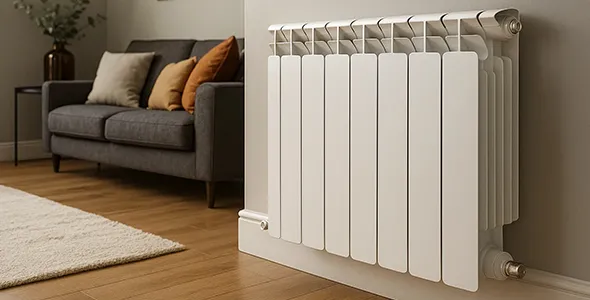
Circulation pumps are widely used in central heating systems to move the heating medium through radiators and underfloor loops, and in DHW for hot water recirculation. Proper circulation pump installation includes correct placement, piping, and speed settings to keep pressure and temperature stable. This helps prevent airlocks, noise, and boiler overheating.

In cooling and HVAC water circuits, the pump maintains circulation through chillers, fan coils, and heat exchangers. Install the circulation pump according to the layout—correct flow direction, strainer, and electrical protection are essential. Correct installation keeps flow rates stable and supports efficient heat transfer.
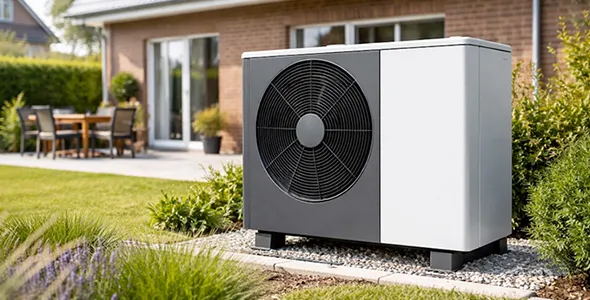
In heat pump systems, the circulation pump drives flow between the hydraulic module, buffer tank, and heating circuits. Professional circulation pump installation in the system with proper balancing and speed tuning ensures the required flow and efficient operation. Correct piping and control integration are key during installation.
Main stages of circulation pump installation
Prices for circulation pump installation services
Installation teams


Frequently Asked Questions


The circulation pump installation price depends on the system layout, pipe material, and how much piping/valving is required. Typically it includes: fitting the pump into the heating circuit, sealing joints, basic piping (valves/strainer as per layout), electrical connection with protection, and commissioning. Parts and extras (bypass, check valve, fittings) may be charged separately.
In many cases, circulation pump installation in a heating system is done on the return line before the boiler, because temperatures are lower and it can extend pump life. However, the correct position depends on the boiler type, mixing circuits, and underfloor heating loops. The key is installing it according to the system diagram, with correct flow direction.
A strainer (dirt filter) is strongly recommended to protect the pump from sludge and debris. A bypass is often used for easier maintenance and more stable hydraulic operation. A check valve is needed in certain layouts (multiple branches/pumps) to prevent reverse flow and unwanted circulation.
Selection is based on required flow rate and head, which depend on floor area, pipe lengths, and the number/type of circuits (radiators/underfloor heating). An undersized pump causes uneven heating, while an oversized one can create noise and unnecessary energy use. That’s why a technician reviews the layout before installing a heating circulation pump and recommends the correct model.
Circulation pump wiring should include proper protection (breaker, often RCD), plus grounding where applicable. The technician checks cable sizing, terminal connections, and integration with boiler controls/thermostat if required. Correct protection helps prevent trips and protects the pump from overload.
Typical circulation pump installation takes 1–2 hours up to several hours depending on piping complexity. The system can usually be started right after: fill the circuit, bleed air, leak-test, and adjust speed settings. If the pump is noisy or air-locked, additional bleeding and fine-tuning usually resolves it.
Circulation pump installation in Chișinău and across Moldova
- Anenii Noi
- Balti
- Basarabeasca
- Bender
- Biruinta
- Briceni
- Bucovat
- Cahul
- Cainari
- Calarasi
- Camenca
- Cantemir
- Causeni
- Ceadir Lunga
- Chisinau
- Cimislia
- Codru
- Comrat
- Cornesti
- Costesti
- Crasnoe
- Cricova
- Criuleni
- Cupcini
- Dnestrovsc
- Donduseni
- Drochia
- Dubasari
- Durlesti
- Edinet
- Falesti
- Floresti
- Frunza
- Ghindesti
- Glodeni
- Grigoriopol
- Hincesti
- Ialoveni
- Iargara
- Leova
- Lipcani
- Maiac
- Marculesti
- Nisporeni
- Ocnita
- Orhei
- Otaci
- Rezina
- Ribnita
- Riscani
- Singera
- Singerei
- Slobozia
- Soldanesti
- Soroca
- Stefan Voda
- Straseni
- Taraclia
- Telenesti
- Tiraspol
- Tvardita
- Ungheni
- Vadul lui Voda
- Vatra
- Vulcanesti



 Product catalog