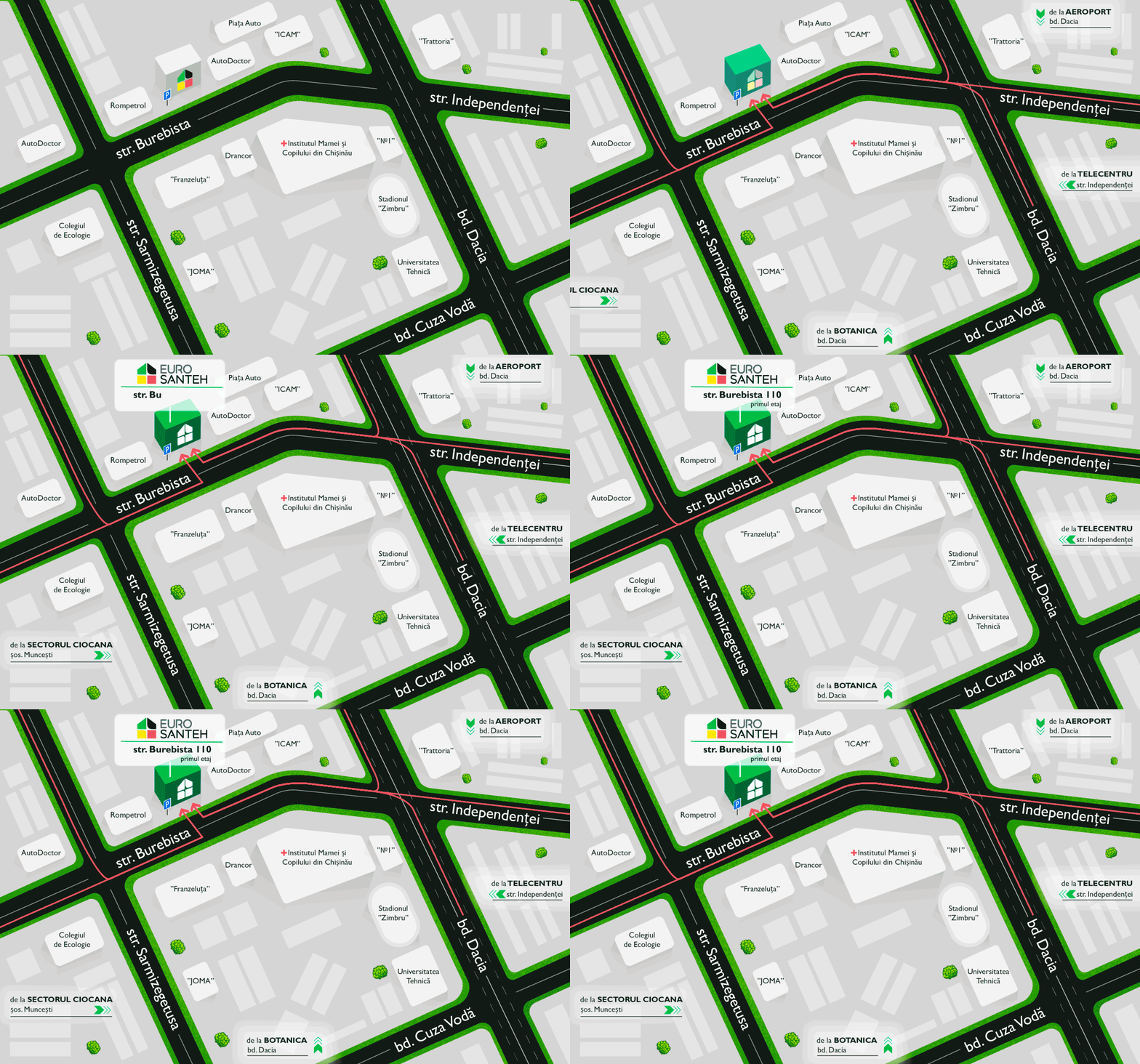
Chisinau, str. Burebista 110




 Call
Call 

 Product has been added to favorites

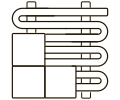
Steel Radiators
 Radiators, heating batteries
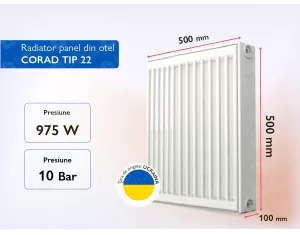

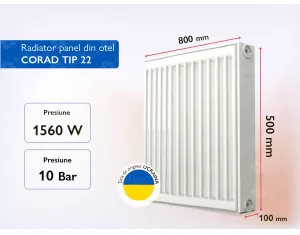


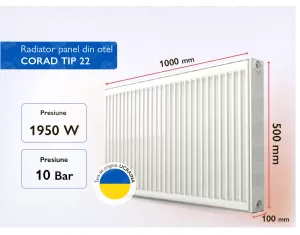
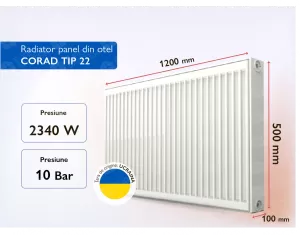
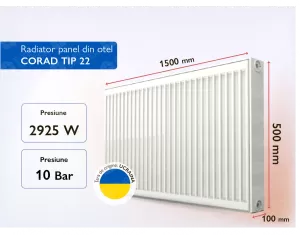
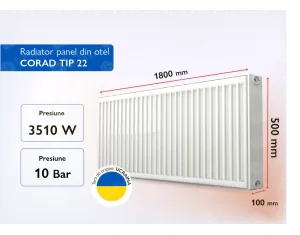
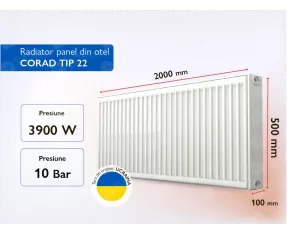
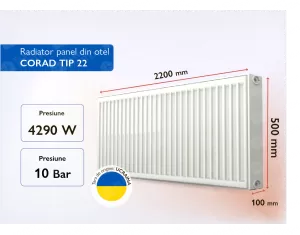
 It is possible to order with installation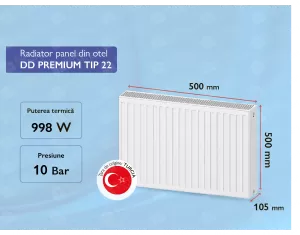
 It is possible to order with installation
 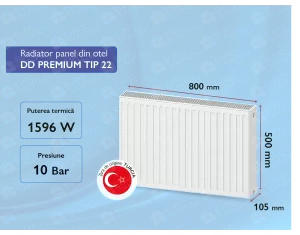 It is possible to order with installation
 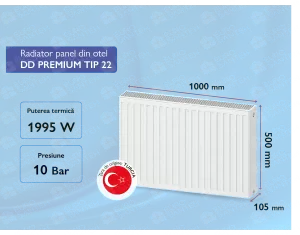 It is possible to order with installation
 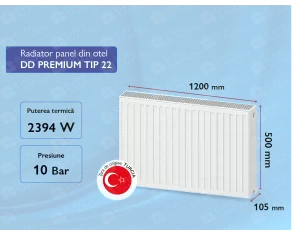 It is possible to order with installation
 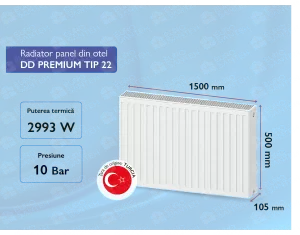 It is possible to order with installation
 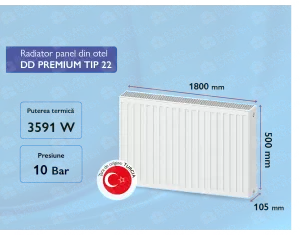 It is possible to order with installation
 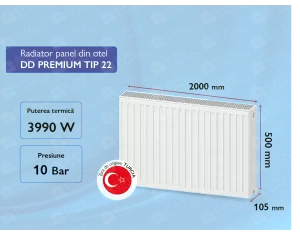 It is possible to order with installation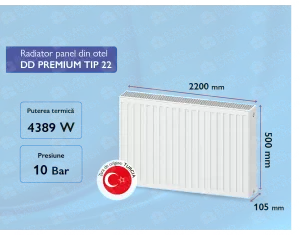


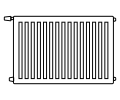
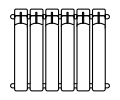
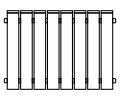
Steel radiators are one of the most widely used solutions for heating systems thanks to their balance of affordability, reliability, and consistent heat output. They are commonly used in apartments, private homes, and commercial spaces with autonomous heating systems, where an efficient and cost-effective solution is required without unnecessary extra features. Steel radiators are well suited for standard heating systems with moderate pressure and stable operation. They provide even heat distribution and are easy to install, making them a versatile choice for most applications. In typical homes and apartments, steel radiators are chosen as a practical and reliable base solution. In offices and commercial spaces, they are often used as an optimal option in terms of price-to-performance ratio.
It is also important to consider the differences between radiator types:
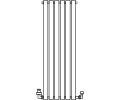
in systems with higher pressure or centralized heating, bimetal radiators are more commonly used, if the priority is high heat output with low weight, aluminum radiators are usually preferred, and in projects focused on interior design — designer radiators.
The catalog includes steel radiators in various sizes and capacities — allowing you to choose the right model based on room area and system parameters. You can buy steel radiators with free delivery in Chișinău and across Moldova, as well as receive expert advice and installation services.
















 Viber
Viber
 Whatsapp
 Telegram