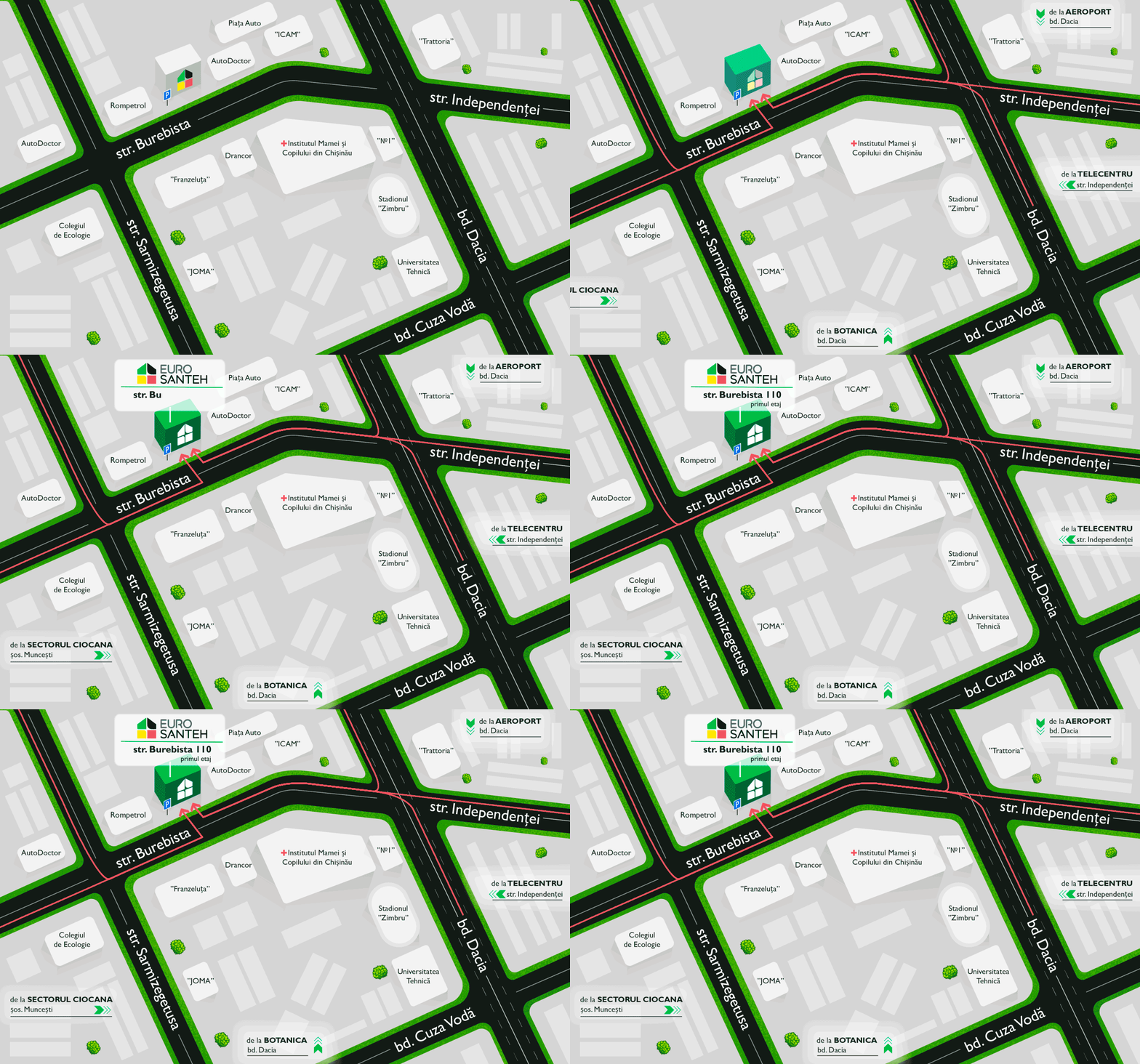
 Chisinau, str. Burebista 110




 Call
Call 

 Product has been added to favorites

Radiators and Heating Batteries
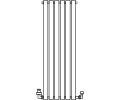
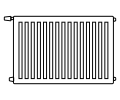
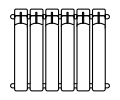
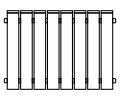
 It is possible to order with installation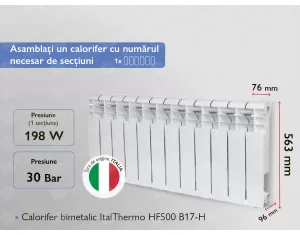

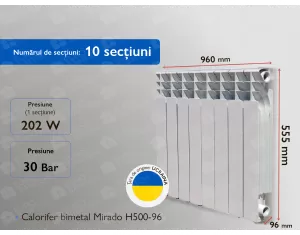

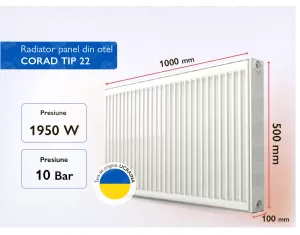

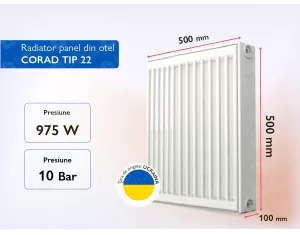

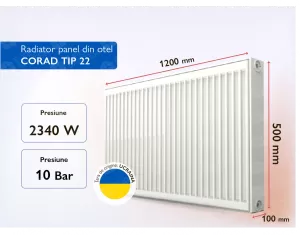
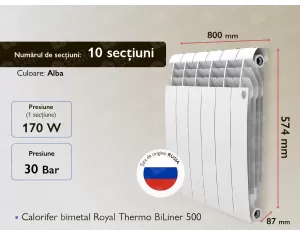

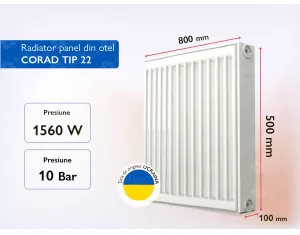

Heating radiators are used to evenly distribute heat throughout a space and are one of the key components of any heating system. The choice of radiators depends on the type of heating system, the size of the space, and design preferences. In traditional systems, radiators are connected to the boiler and provide consistent heating, while in modern projects both technical performance and aesthetics are taken into account.
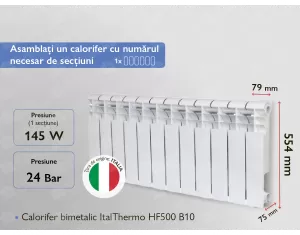
For standard heating systems, steel radiators are commonly used; in buildings with higher pressure or centralized heating — bimetal radiators; and for private homes with autonomous systems — aluminum radiators are popular due to their high heat output. In projects where interior design is important, designer radiators are chosen.
The catalog includes radiators for a wide range of applications — you can choose based on output, size, and operating conditions. You can buy heating radiators with free delivery in Chișinău and across Moldova, along with expert assistance in selecting the right solution for your heating system.


 Product catalog













 Viber
Viber
 Whatsapp
 Telegram
