Chisinau, str. Burebista 110



 Phone call

 Product has been added to favorites

Pump Installation in Chișinău and Across Moldova


 Reviews


Pump applications

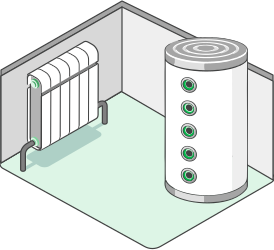
What types of pumps do we install?
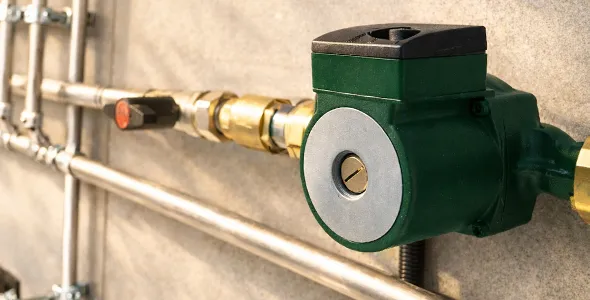
A circulation pump is a key element of a heating system, providing stable forced circulation of the heat-transfer fluid through the pipework. Its proper operation and professional installation directly affect heating efficiency, even heat distribution across radiators, and the safe operation of the boiler.
Professional installation of a circulation pump is especially critical in systems with solid-fuel boilers. If the pump stops during active combustion, the heat-transfer fluid can no longer remove heat effectively, temperature rises quickly, and there is a risk of overheating with increased pressure. That’s why a reliable pump and correct installation (proper placement, orientation, connection, and setup) are practical prevention against failures and help extend the service life of the entire heating system.
 More details
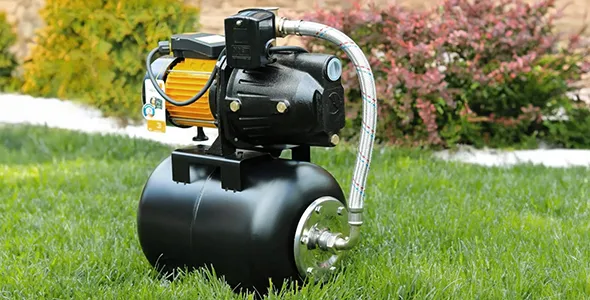
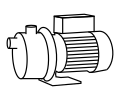
A hydrofor (pump station) is most commonly installed in private homes and cottages where there is no central water supply. In such cases, water comes from an autonomous source— a borehole, a well, or more rarely from a storage tank.
Professional installation of a hydrofor solves this need: the equipment maintains the required system pressure, ensures steady water flow at the taps, and helps prevent frequent pump cycling. During installation, it’s important to properly select and match the parameters of the entire system—pump capacity, tank volume, controls/automation, pipe diameter, check valve, and dry-run protection. A pump station can be installed at any stage: during house construction, right after drilling the borehole, or as part of an upgrade/repair of an existing water supply system.
More details
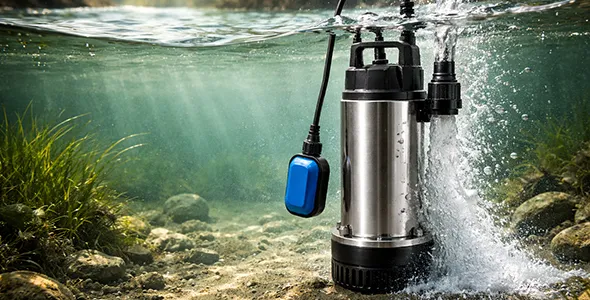
A drainage pump is a practical solution for removing water in cottages and rural properties: it helps quickly drain a well, pond, basement, utility room, drainage pit, or excavation after heavy rains and floods. This equipment is designed to handle water containing sand, small debris, and suspended particles, making it especially useful in places where contamination builds up over time and regular cleaning is required.
Professional installation of a drainage pump ensures stable operation and protects the equipment from premature wear. In practice, most failures are not caused by a “weak” pump, but by incorrect specification selection, installation mistakes, improper use, or lack of maintenance. That’s why, before installation, it’s important to consider the depth, water volume, discharge hose length and diameter, power supply conditions, and whether automation is needed.
More details
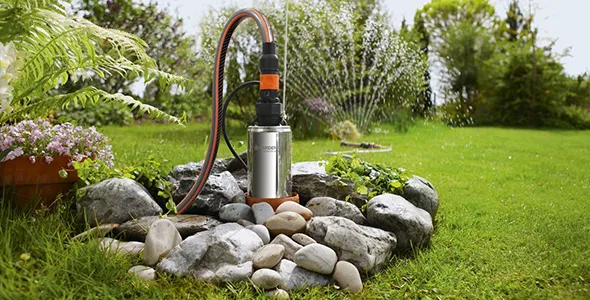
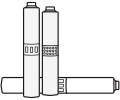
Deep-well (borehole) pumps are designed to lift water from boreholes and deep wells when a surface pump is not sufficient in terms of head and stable delivery. Proper installation of a deep-well pump ensures steady system pressure and reliable water supply to all draw-off points. A quality installation starts with accurate selection of the pump’s specifications for the actual conditions: borehole depth, required head, flow rate, and more. Calculation errors lead to motor overload, frequent shutdowns, and accelerated wear. Professional installation and connection of a deep-well pump is a guarantee of long-lasting, uninterrupted operation of the water supply system. When installed according to the proper procedures, the pump runs reliably and efficiently, providing confident water pressure throughout the season and year-round.
More details
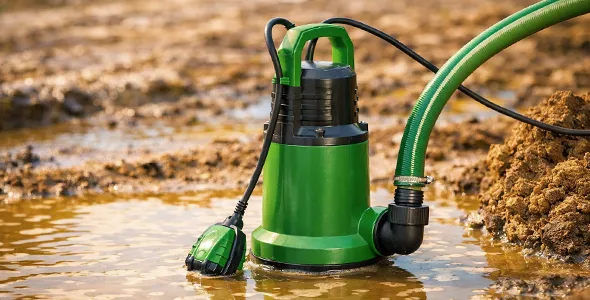
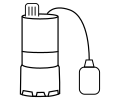
Sewage pumps are designed for pumping contaminated and aggressive wastewater, and grinder models additionally shred solid inclusions, reducing the risk of blockages. Professional installation matters because the installation depth must be set accurately, the pump must be securely fixed, and the suspension or base must be properly arranged to prevent vibration, flooding, and liquid entering the electrical compartment. The float switch automation also needs correct setup—it requires free space to operate without sticking. Specialists will choose the optimal wiring/connection scheme, check the tightness of joints, and verify electrical protection so the equipment doesn’t shut down at the worst possible moment. As a result, the pump runs safely and steadily and lasts noticeably longer.
More details
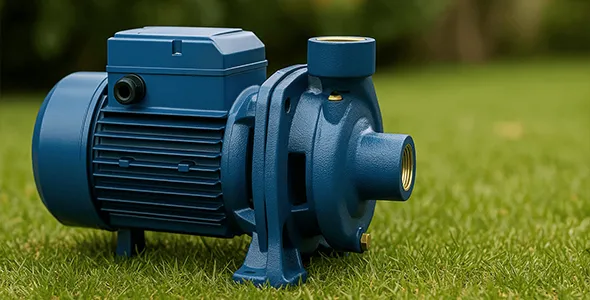
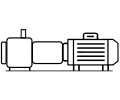
Installing a centrifugal pump is a key step for stable and efficient operation of a liquid transfer system. Centrifugal pumps are used for water, petroleum products, chemical solutions, and other media where high capacity and continuous flow are required. Professional installation includes not only mounting and hydraulic connections, but also commissioning: specialists connect the electric motor correctly, verify phase sequence, and check the impeller’s rotation direction. Electrical wiring mistakes reduce performance, increase energy consumption, and may cause overheating and equipment failure, so the connection diagram must be followed strictly.
More details
Main stages of pump installation
Frequently Asked Questions


Pricing depends on the pump type and site conditions; it typically includes a site visit, mounting, hydraulic piping, electrical/controls connection, and commissioning.
Usually a few hours up to one day, depending on required plumbing changes, electrical supply, and control setup.
Required flow rate, head/depth, pipe length and diameter, fluid type, filtration needs, power supply (voltage), and installation conditions (well/basement/utility room).
n most cases, yes: the check valve maintains pressure, the filter protects from sand/debris, and dry-run protection prevents overheating and damage when water is missing.
Yes, but compatibility must be verified (power rating, pressure range, wiring scheme) and settings must be adjusted to avoid short cycling and water hammer.
Wrong rotation direction (three-phase), leaks and trapped air, incorrect pipe sizing, missing protections, and incorrect pressure/control settings.
Installation teams



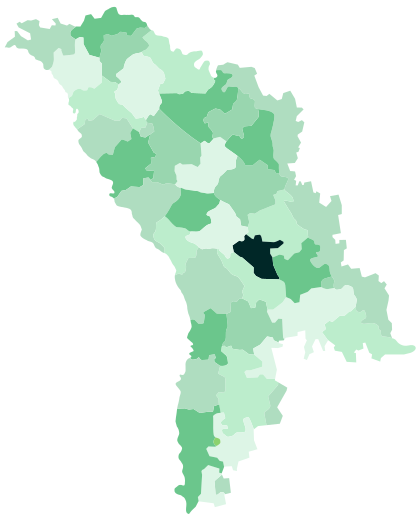
We install pumps across Moldova
- Anenii Noi
- Balti
- Basarabeasca
- Bender
- Biruinta
- Briceni
- Bucovat
- Cahul
- Cainari
- Calarasi
- Camenca
- Cantemir
- Causeni
- Ceadir Lunga
- Chisinau
- Cimislia
- Codru
- Comrat
- Cornesti
- Costesti
- Crasnoe
- Cricova
- Criuleni
- Cupcini
- Dnestrovsc
- Donduseni
- Drochia
- Dubasari
- Durlesti
- Edinet
- Falesti
- Floresti
- Frunza
- Ghindesti
- Glodeni
- Grigoriopol
- Hincesti
- Ialoveni
- Iargara
- Leova
- Lipcani
- Maiac
- Marculesti
- Nisporeni
- Ocnita
- Orhei
- Otaci
- Rezina
- Ribnita
- Riscani
- Singera
- Singerei
- Slobozia
- Soldanesti
- Soroca
- Stefan Voda
- Straseni
- Taraclia
- Telenesti
- Tiraspol
- Tvardita
- Ungheni
- Vadul lui Voda
- Vatra
- Vulcanesti


 Product catalog