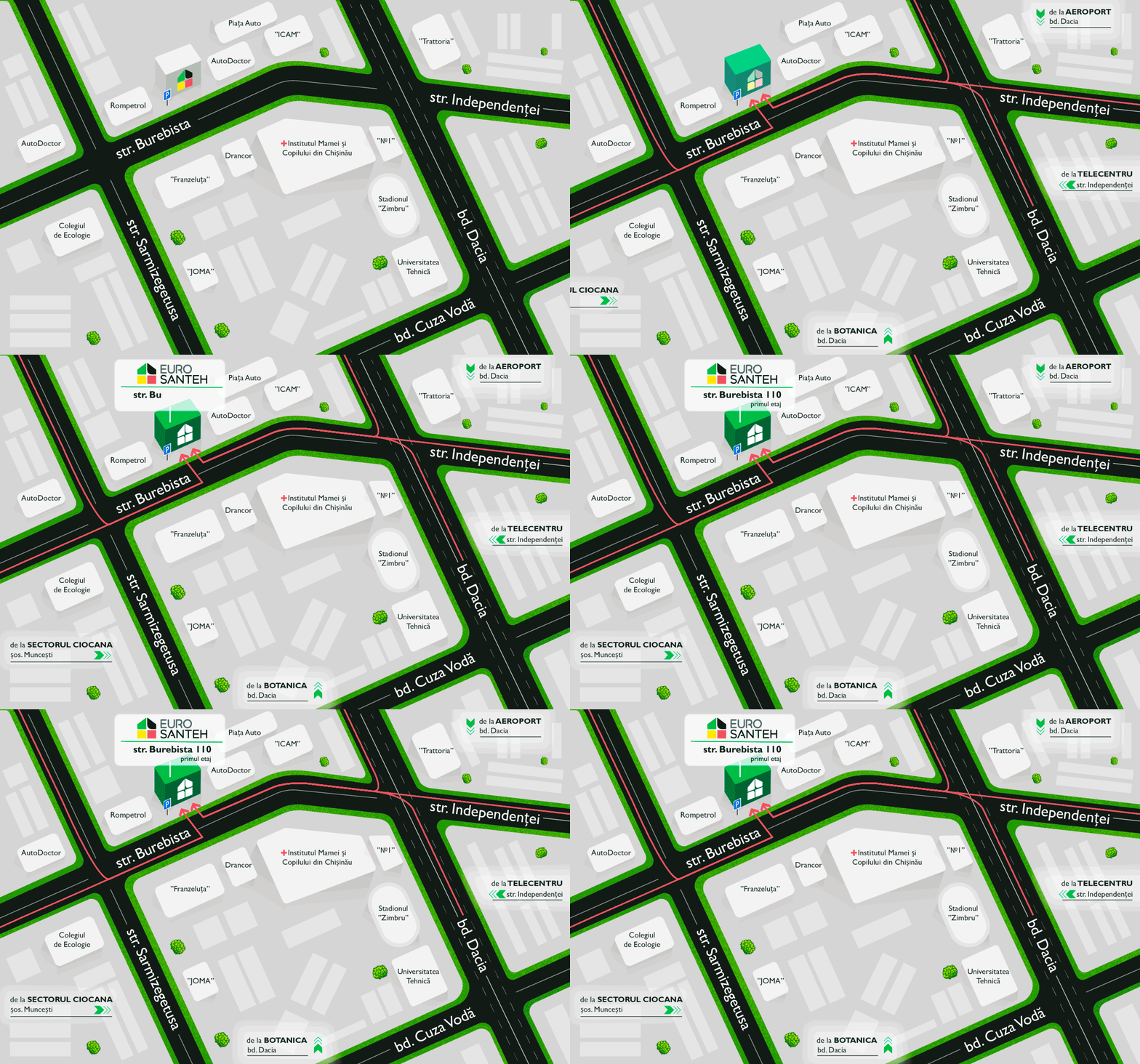
Chisinau, str. Burebista 110




 Call
Call 

 Product has been added to favorites

Bimetallic radiators
 Radiators, heating batteries
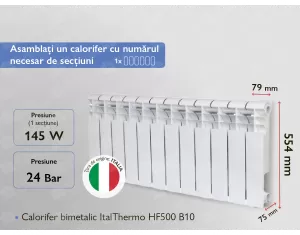

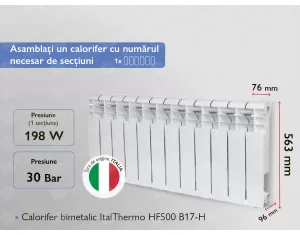



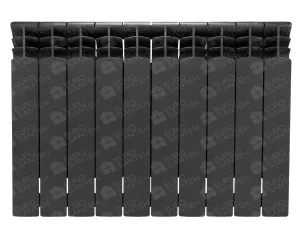
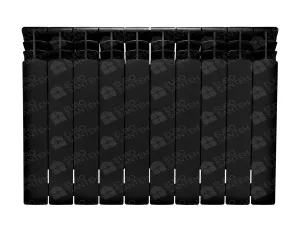
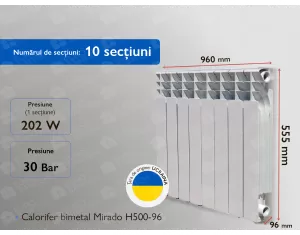

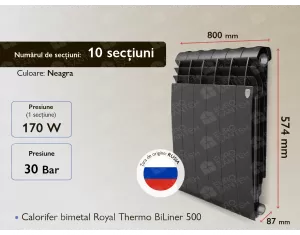
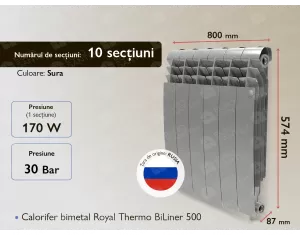
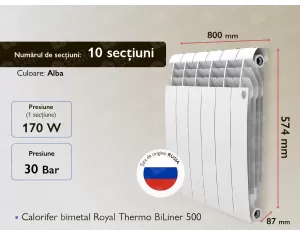
 It is possible to order with installation
 It is possible to order with installation
  It is possible to order with installation
 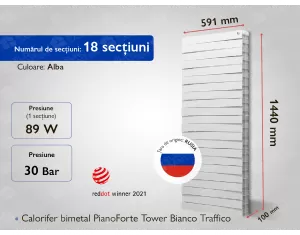 It is possible to order with installation
 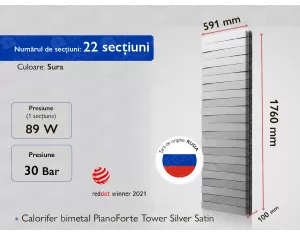 It is possible to order with installation


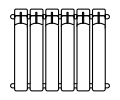
Bimetal radiators are used in heating systems where reliability, resistance to high pressure, and stable performance under varying loads are essential. They combine a steel inner core with an aluminum outer body, allowing them to withstand more demanding operating conditions compared to other types of radiators.
These radiators are especially suitable for apartments with centralized heating, where pressure and temperature fluctuations may occur, as well as for commercial spaces with intensive system use. In multi-apartment buildings, they are often chosen as a more reliable alternative to standard solutions. In systems with unstable conditions, they help prevent issues such as leaks and system overload.
When choosing, it is important to consider the differences between radiator types:
for autonomous systems with moderate pressure, steel radiators are more commonly used, if the priority is high heat output with low weight, aluminum radiators are preferred, and in projects focused on interior design — designer radiators.
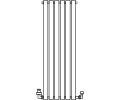
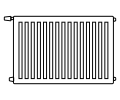
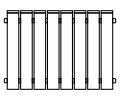
The catalog includes bimetal radiators in various sizes and capacities — allowing you to select the right solution based on room area and system parameters. In our store, you can get expert advice, purchase radiators with delivery in Chișinău and across Moldova, and order professional installation.















 Viber
Viber
 Whatsapp
 Telegram