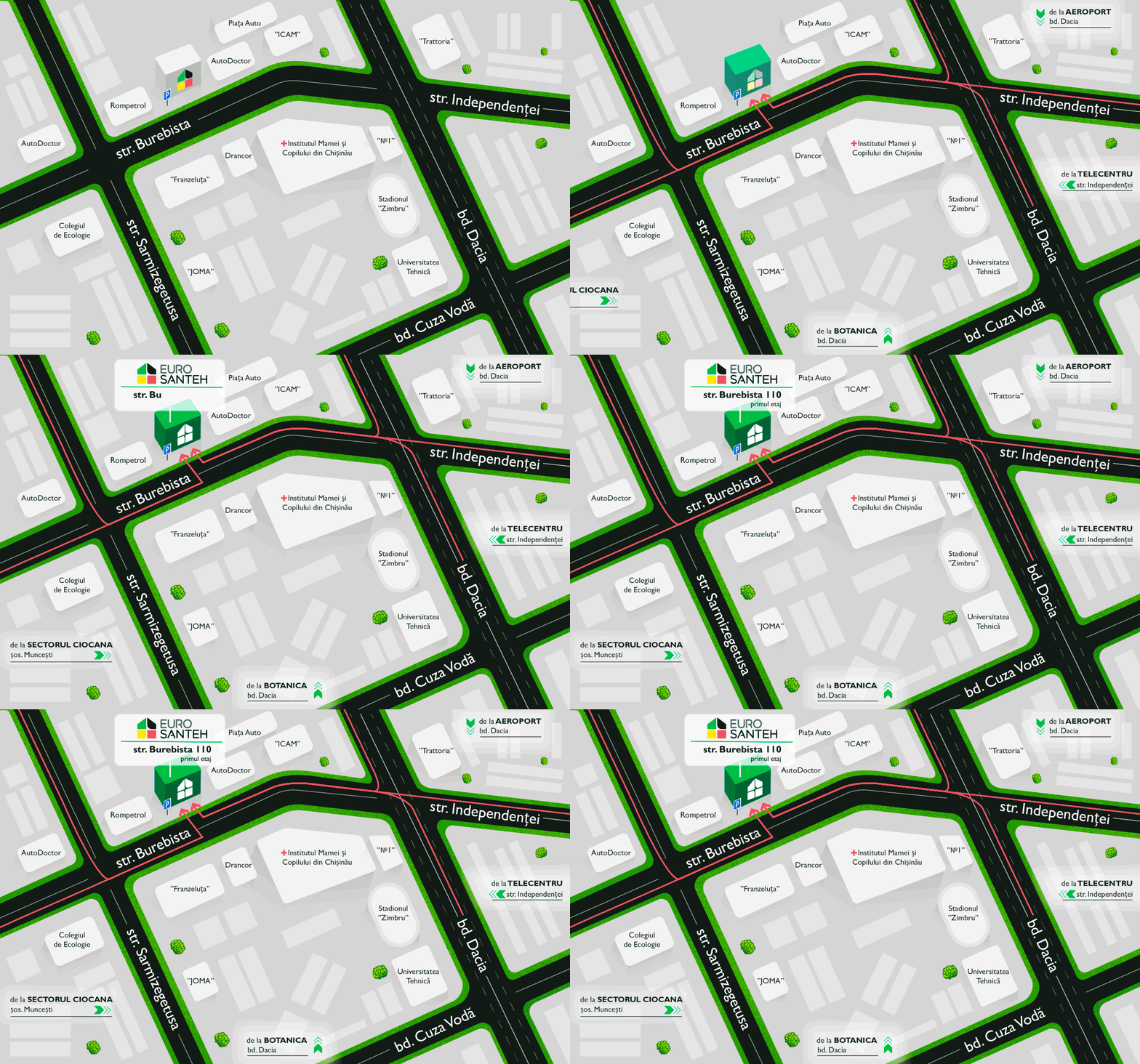
Chisinau, str. Burebista 110




 Call
Call 

 Product has been added to favorites

Designer Radiators
 Radiators, heating batteries
 It is possible to order with installation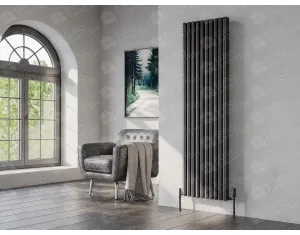
 It is possible to order with installation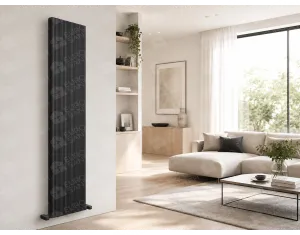


 It is possible to order with installation
  It is possible to order with installation
  It is possible to order with installation
  It is possible to order with installation
  It is possible to order with installation
  It is possible to order with installation
  It is possible to order with installation
  It is possible to order with installation
  It is possible to order with installation
  It is possible to order with installation
  It is possible to order with installation
  It is possible to order with installation
  It is possible to order with installation
  It is possible to order with installation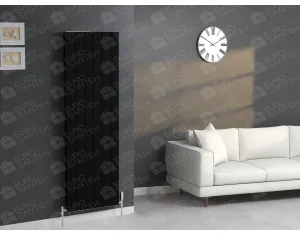


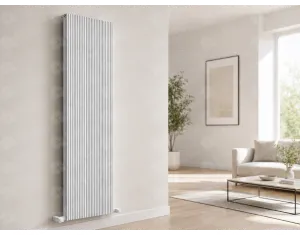
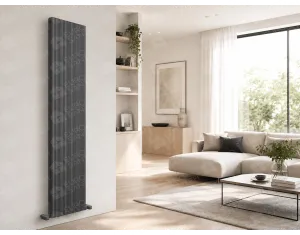
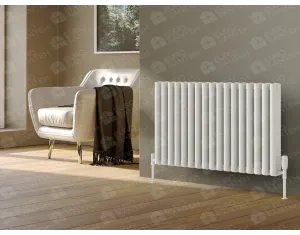
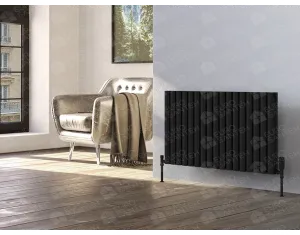
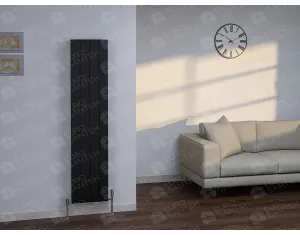
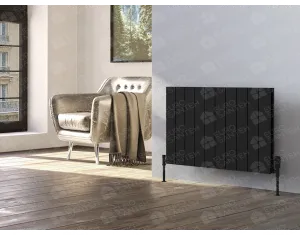
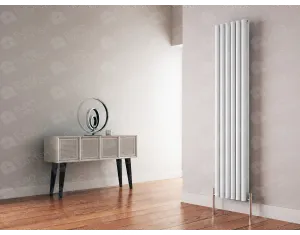
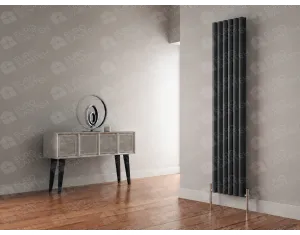
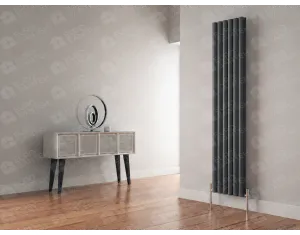
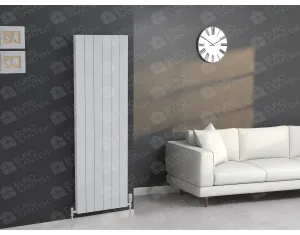
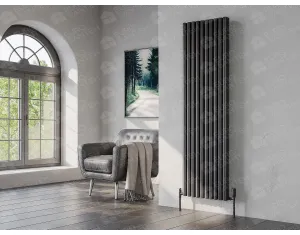
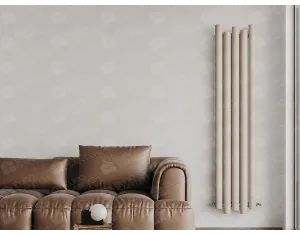
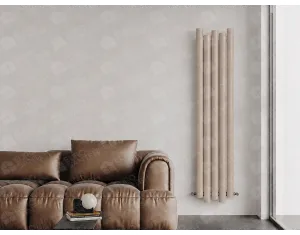
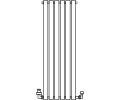
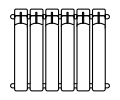
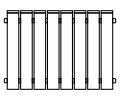
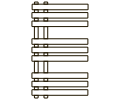
Designer radiators are chosen in projects where not only heating performance but also the visual appearance of the equipment matters. Unlike traditional models, these radiators combine functionality with modern design — featuring unique shapes, vertical formats, or decorative finishes. This allows them to be seamlessly integrated into the interior without the need to hide them.
Such solutions are widely used in modern apartments, designer interiors, showrooms, salons, and commercial spaces where visual impact and overall aesthetics are important. In spaces with limited wall width, vertical models are often preferred, as they make efficient use of wall height. In minimalist or loft-style interiors, radiators can serve as a standalone design element.
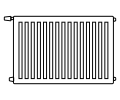
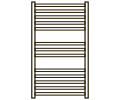
In projects where aesthetics are not a priority and practicality is more important, classic solutions are typically used — such as steel or aluminum radiators. In systems with high pressure or unstable operating conditions, bimetal radiators are usually preferred due to their higher durability.
The catalog includes designer radiators in various styles, sizes, and capacities — allowing you to choose the right solution based on your interior and heating requirements. You can buy a designer radiator with free delivery in Chișinău and across Moldova, order installation, and receive expert advice tailored to your project.















 Viber
Viber
 Whatsapp
 Telegram