Chisinau, str. Burebista 110




 Call
Call 

 Product has been added to favorites

Commercial air conditioners, semi-industrial
 It is possible to order with installation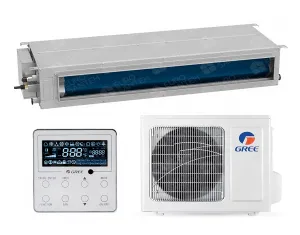
 It is possible to order with installation
 It is possible to order with installation
  It is possible to order with installation
  It is possible to order with installation
  It is possible to order with installation
  It is possible to order with installation
  It is possible to order with installation
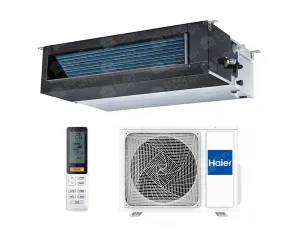
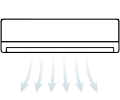
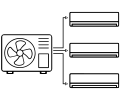
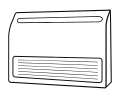
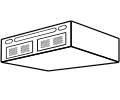
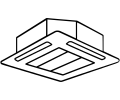
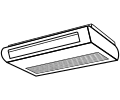
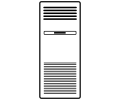
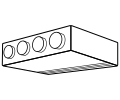
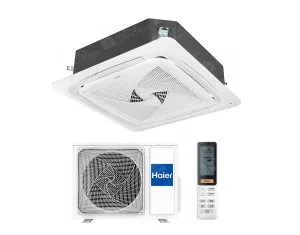
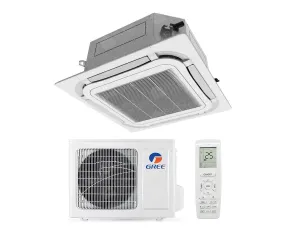
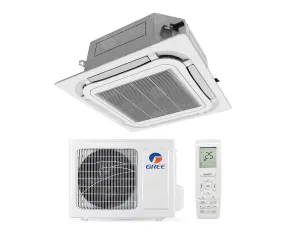
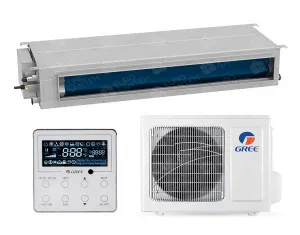
Commercial air conditioning systems are typically used in spaces where the equipment operates continuously and must handle higher loads — such as offices, retail stores, restaurants and other high-traffic environments. These systems are designed to cover larger areas and maintain stable performance throughout the day, making them a reliable solution for spaces where comfort directly impacts employees and customers. Depending on the layout and usage, different types of systems are used: cassette units for suspended ceilings, ducted systems for hidden air distribution, floor-ceiling units for flexible installation, or column units for open spaces with high ceilings.
The category includes a range of solutions that can be adapted to the size of the space, layout and operational requirements. You can order equipment with free delivery across Moldova, professional installation and financing options available.
If you're looking for a solution for a home or a single room, most users choose household air conditioners as a simpler option. For large-scale buildings or projects requiring centralized climate control across multiple zones, it's worth considering industrial HVAC systems.


 Product catalog