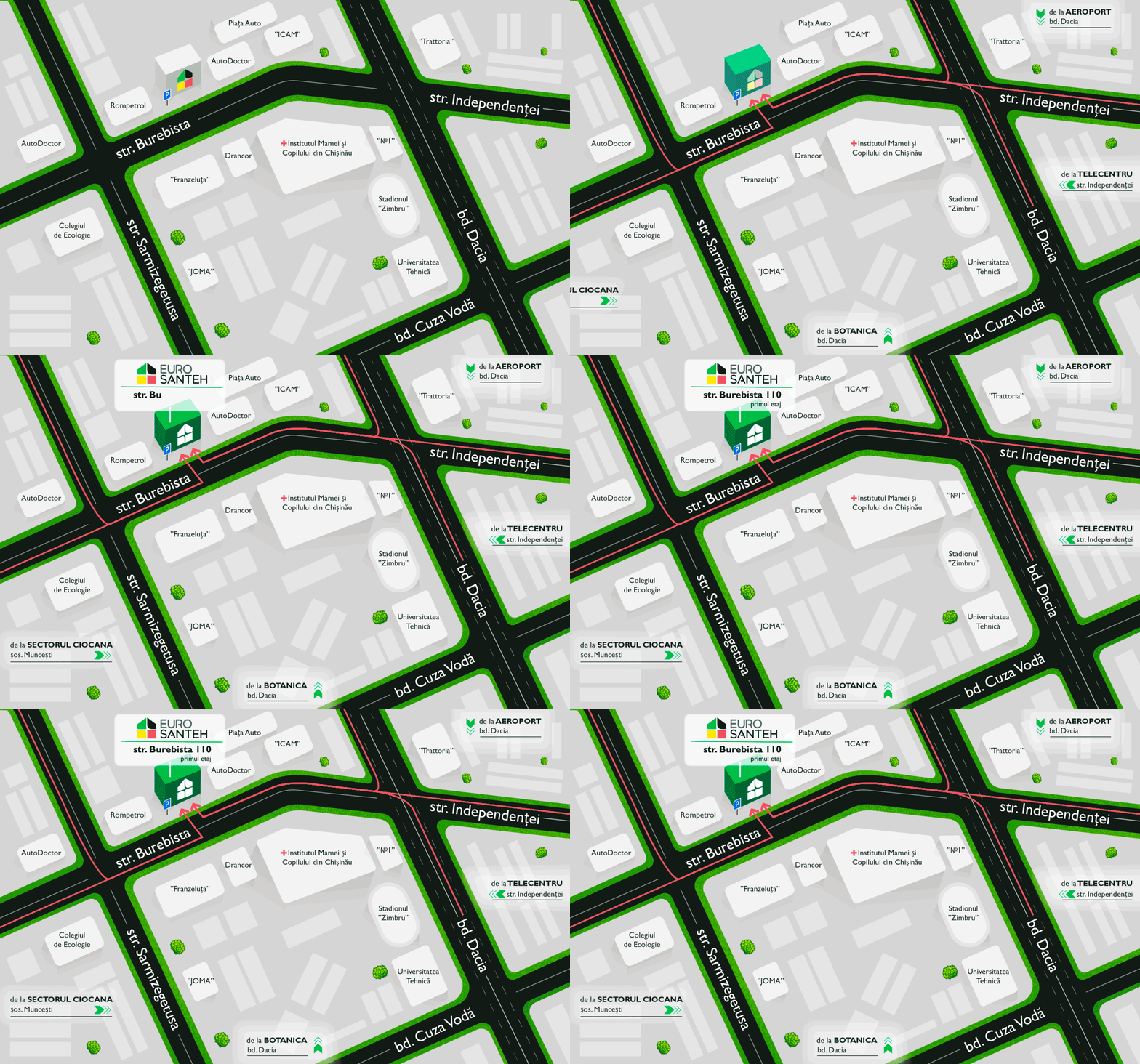
Chisinau, str. Burebista 110




 Call
Call 

 Product has been added to favorites

Drainage pumps for swimming pool
 Drainage, sewage pumps
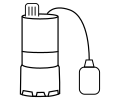
Drainage pumps for swimming pools are essential components of pool maintenance, ensuring proper water circulation, filtration, and sanitation. These pumps play a crucial role in keeping the pool water clean, clear, and safe for swimmers, while also helping to maintain the structural integrity of the pool itself.
One of the primary functions of drainage pumps for swimming pools is to circulate the water, distributing chemicals evenly and preventing stagnation. Stagnant water can become a breeding ground for algae, bacteria, and other harmful microorganisms, leading to water quality issues and potential health risks for swimmers. By continuously circulating the water, drainage pumps help distribute chlorine and other sanitizers throughout the pool, effectively disinfecting the water and maintaining a healthy swimming environment.
In addition to circulation, drainage pumps also facilitate filtration by drawing water through the pool's filtration system, removing debris, dirt, and other contaminants. The filtration process helps keep the water clear and free of visible impurities, enhancing the overall aesthetics of the pool and improving the swimming experience for users. By efficiently capturing and removing particles from the water, drainage pumps contribute to the longevity of the filtration system and reduce the need for manual cleaning and maintenance.
Another important function of drainage pumps for swimming pools is to facilitate drainage and prevent flooding during heavy rainfall or overfilling. Pool decks and surrounding areas are designed to slope away from the pool to prevent water from accumulating around the pool's perimeter. Drainage pumps help remove excess water from these areas, preventing flooding and minimizing the risk of damage to the pool structure and surrounding landscaping.
Efficiency and reliability are key considerations when selecting drainage pumps for swimming pools. Modern pumps are designed to operate efficiently while consuming minimal energy, reducing operating costs and environmental impact. Variable speed pumps, for example, allow users to adjust the pump's speed to match the pool's specific circulation needs, optimizing energy usage and reducing electricity bills. Additionally, built-in safety features such as overload protection and automatic shut-off help prevent pump damage and ensure reliable operation.
When installing drainage pumps for swimming pools, it's important to consider factors such as pump size, flow rate, and head pressure to ensure compatibility with the pool's specifications and hydraulic requirements. Proper sizing and installation are essential for achieving optimal performance and longevity, minimizing the risk of pump failure and downtime. Additionally, regular maintenance and servicing are critical to keep the pumps running smoothly and efficiently, extending their lifespan and preserving the integrity of the pool system.
In conclusion, drainage pumps are indispensable assets for maintaining clean, clear, and safe swimming pool environments. By facilitating water circulation, filtration, and drainage, these pumps help ensure optimal water quality and sanitation, enhancing the overall swimming experience for users. When selecting drainage pumps for swimming pools, it's important to prioritize efficiency, reliability, and compatibility to achieve the best results and maximize the lifespan of the pool system.


 Product catalog