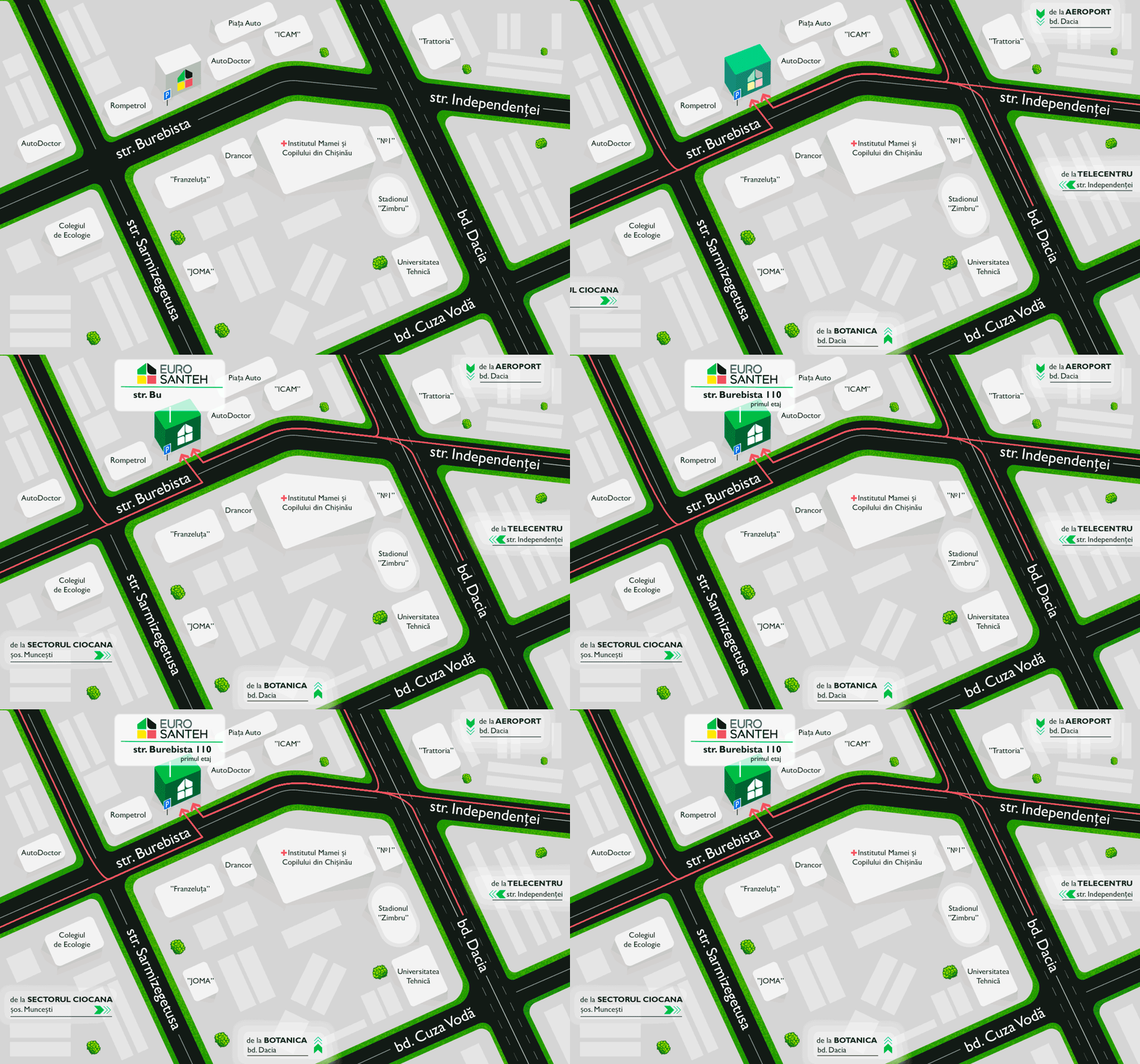
Chisinau, str. Burebista 110




 Call
Call 

 Product has been added to favorites

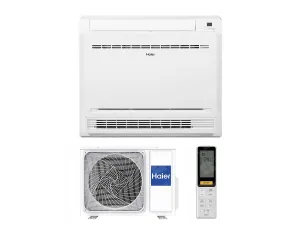
Console air conditioners
 Household air conditioners
 It is possible to order with installation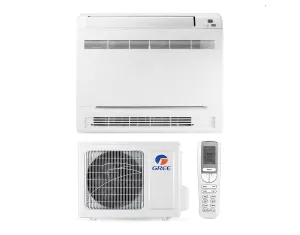



 It is possible to order with installation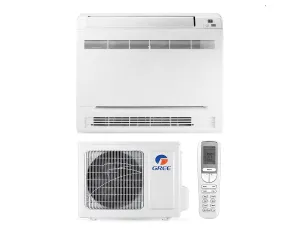
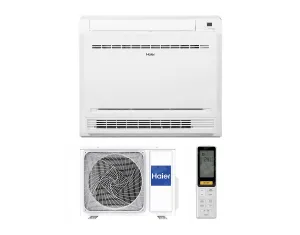
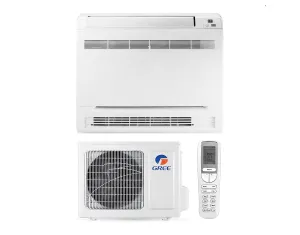
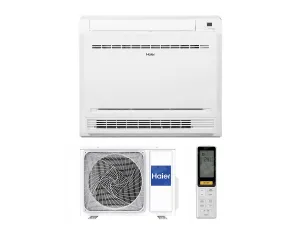 It is possible to order with installation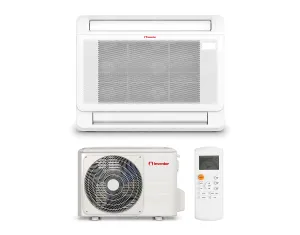

 It is possible to order with installation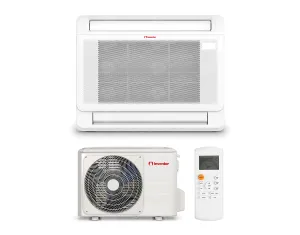
 It is possible to order with installation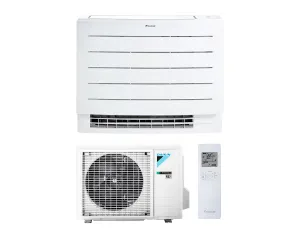

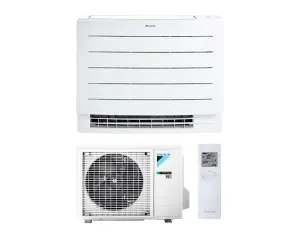
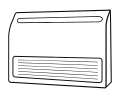
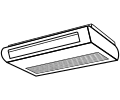
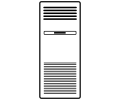
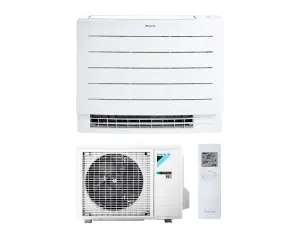
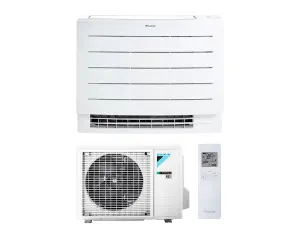
Console air conditioners are typically selected where wall-mounted installation is limited: below windows, in attic spaces, or in rooms with low wall sections where a floor console layout works better. Correct sizing requires real load profile, noise limits, placement constraints, routing, and an 8-10 hour duty cycle.
Before installation, teams verify placement zone, route length, drainage, and service access. Wrong positioning or capacity usually causes uneven comfort and avoidable rework.
Model selection by load and usage scenario
Bedrooms and home offices usually prioritize low-noise nighttime operation, while living areas require stable daytime output under variable load. If load is dynamic, a practical performance margin is planned in advance.
Installation constraints, startup, and service continuity
Connection points, routing, drainage, and baseline automation settings are fixed before works begin, then startup checks are completed in real modes. Service schedule and support terms are documented after launch.
Related options for the same project
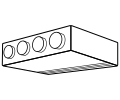
If classic wall-mounted layout is preferred, teams often compare wall-mounted split systems. For non-fixed-installation scenarios they assess mobile air conditioners. For concealed air distribution they review slim duct systems, while commissioning is commonly coordinated with installation and startup services.
Frequently asked questions
What spaces are console units best suited for?
Apartments, houses, and offices where wall mounting is limited or impractical.
What is checked before installation?
Placement zone, route, drainage, electrical baseline, and service access.
Can they be used for shoulder-season heating?
Yes, if the model is selected to match the real operating profile.
Is post-startup service available?
Yes, service terms are fixed when works are confirmed.
Can installation be included with supply?
Yes, delivery, installation, and startup can be coordinated in one workflow.


 Product catalog